
Refrigerant Line Repair in Ventura
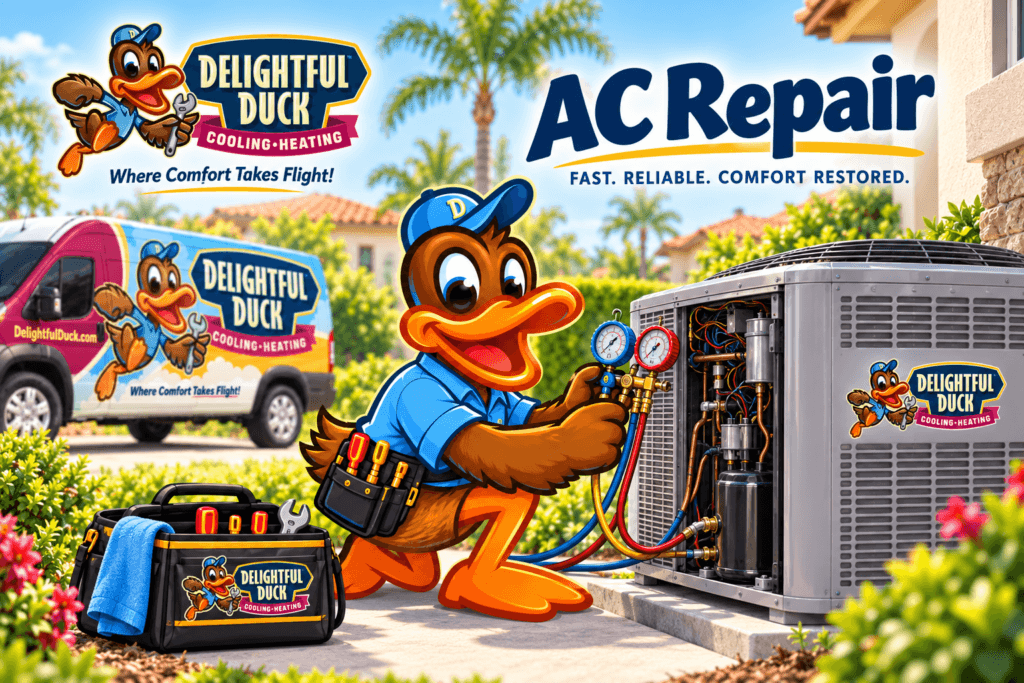
In Ventura, a failed refrigerant coupling led to line repair, evacuation, pressure and leak testing, and an R-410A recharge.
Read the job summary
Warm air, water around the unit or an AC that will not start? Tell us when it began and which rooms are affected. We check the cause, explain the findings and review the repair price before you approve work.

Share the equipment type if known, symptom timing, affected rooms and recent service history. You do not need to remove covers or enter an unsafe space to collect information.
Record thermostat mode, run time and the rooms affected. Airflow, controls, coils, ducts, electrical components and refrigerant performance can produce similar symptoms.
Note where the ice or water is visible. Turn the system off using normal controls when appropriate and request evaluation; continuing to run an iced system may not resolve the cause.
Tell us whether the sound occurs at startup, during operation or at shutdown. A loose component, control issue or mechanical problem needs a check rather than a guess from the sound alone.
The recommendation should connect to your equipment and goal. Compare the written scope, price, exclusions and relevant checks before work proceeds.
Evaluation can include controls, electrical operation, supply and return airflow, coil condition, drainage, duct delivery and refrigerant performance. The checks should follow the reported problem and the equipment.
Ask which fault was found, what the proposed repair changes and whether related work is needed. Compare the written price and any stated repair warranty.
A repair and a replacement solve different scopes. Consider equipment condition, past failures, parts availability and comfort history alongside the current repair.
Approved work should include relevant operating checks. Ask what was verified and what care or follow-up remains.
An afternoon comfort problem may involve windows, insulation, attic conditions or room airflow. For exposed coastal equipment, discuss visible condition and manufacturer-approved care. Address the property’s actual load before increasing capacity.
Do not add refrigerant, open electrical compartments or keep resetting a breaker that trips. If you see smoke or sparking or smell burning, stop using the equipment and seek appropriate urgent help.
Describe the symptom and timing. We inspect the relevant equipment, explain the findings and proposed repair, then perform approved work and review the relevant operating checks.
A symptom can have several causes. Diagnosis is needed to establish the repair scope and price. Share the symptoms and equipment details when arranging the visit.
Compare the verified fault and repair quote with overall condition, repair history, parts availability, comfort and the full replacement scope. A simple age-times-cost rule should not decide for you.
No. Restricted airflow, dirty components, controls or duct problems can cause similar complaints. Refrigerant work should follow appropriate diagnosis.
Note symptom timing and settings, keep a safe path to accessible equipment and share gate, pet or parking arrangements. Avoid dismantling the system to prepare.
Call (805) 626-4201 or schedule service. Share your location, equipment and the comfort problem or project you want to discuss.